






Shop by category
Mesh Wi-Fi Systems
One Wi-Fi name across multiple rooms is the reason to consider mesh. The current category is one verified family – Xiaomi Mesh System AX3000 NE – offered as one, two or three nodes. Select the pack from the building layout and backhaul plan rather than a universal coverage number, then decide whether nodes will connect wirelessly or through Ethernet.
 Sale
Sale
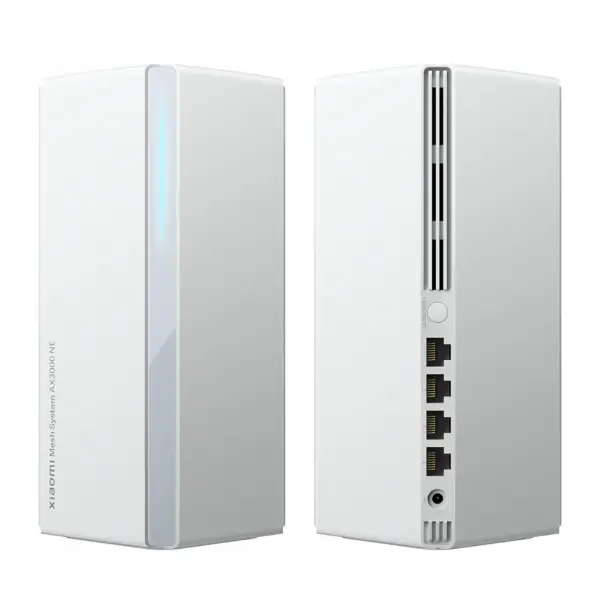
Xiaomi Mesh System AX3000 WiFi 6 Router NE (1 pack)
In stock
 Sale
Sale
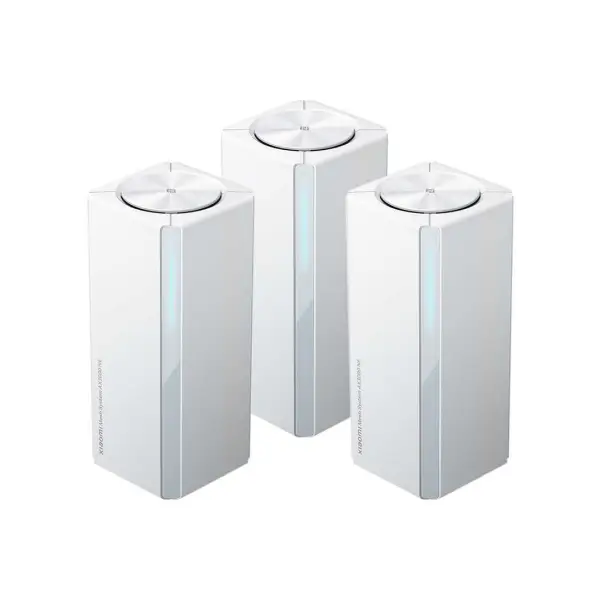
Xiaomi Mesh System AX3000 NE, 3 Pack
In stock
 Sale
Sale
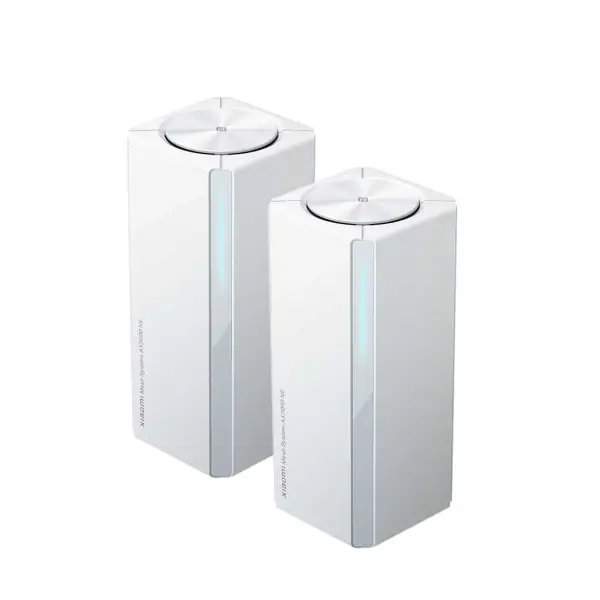
Xiaomi Mesh System AX3000 WiFi 6 Router NE (2 pack)
In stock
Plan nodes and their connection path
AX3000 NE is a dual-band Wi-Fi 6 mesh system. Xiaomi supports wired, wireless and hybrid backhaul, and equips each node with four gigabit auto-sensing ports. Those features allow different layouts, but they do not remove the need for sensible placement.
A single node can start or extend a compatible plan; two- and three-packs provide coordinated nodes for broader layouts. Thick concrete, floors, interference and the location of the internet entry point all affect performance, so a quoted laboratory coverage area is not used here. Map the rooms that need service, place each wireless node where it can still communicate well with another node, or use Ethernet backhaul where the home already has cabling.
Latest Mesh Wi-Fi Systems Prices in Kenya 2026
| Product | Price in Kenya |
|---|---|
| Xiaomi Mesh System AX3000 WiFi 6 Router NE (1 pack)SALE | KSh 7,499 |
| Xiaomi Mesh System AX3000 NE, 3 PackSALE | KSh 19,999 |
| Xiaomi Mesh System AX3000 WiFi 6 Router NE (2 pack)SALE | KSh 13,999 |
Frequently Asked Questions About Mesh Wi-Fi Systems
They change the number of AX3000 NE nodes supplied, not the mesh family. Choose enough nodes for the layout and backhaul plan without clustering extra units in the same room.
Yes. Xiaomi supports wired, wireless and hybrid backhaul, and lists four gigabit auto-sensing ports on each AX3000 NE node.
The system is designed to coordinate nodes under one mesh network so compatible devices can move between them. Client behaviour and roaming decisions can still vary by device.
Place a node where it has both useful reach into the target area and a strong link to another node. A unit buried inside a complete dead zone cannot provide a good wireless backhaul.
No fixed promise is appropriate without the building conditions. Walls, floors, interference, node height and the position of the incoming connection can change real coverage substantially.