


































Shop by category
Soundbars
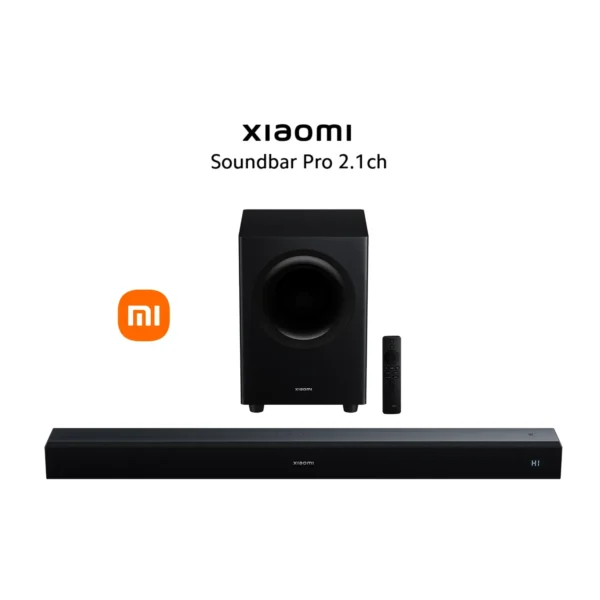
Choose between two Xiaomi soundbar systems by room size, dialogue needs and TV connections. Soundbar Pro 2.1 ch combines stereo speakers with a wireless subwoofer and 300W maximum output. Soundbar 3.1 ch adds a dedicated centre channel, 430W maximum output and a wider connection set for a more cinema-focused television setup.
 Sale
Sale
Xiaomi Soundbar Pro 2.1 Ch Soundbar with Subwoofer
In stock
 Out of stock
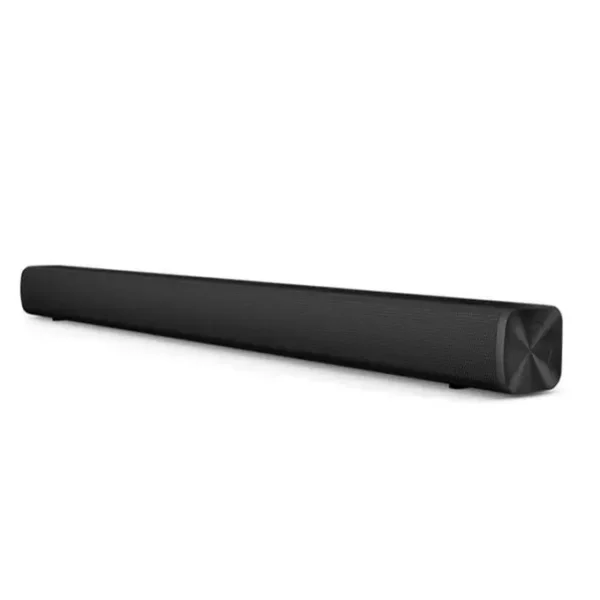
Xiaomi 2.0 Ch Soundbar
Out of stock
 Out of stock
Xiaomi Mi Soundbar With 8 Speaker Drivers
Out of stock
 Sale
Sale
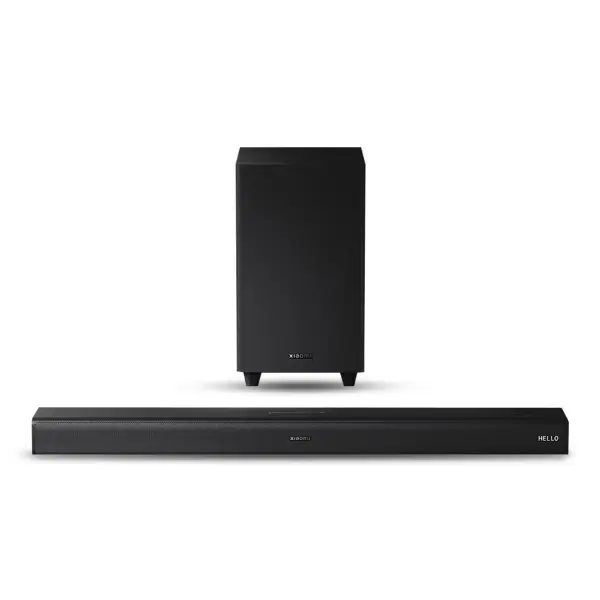
Xiaomi Sound bar 3.1
In stock
Xiaomi Soundbar Pro 2.1 ch or Soundbar 3.1 ch
Soundbar Pro 2.1 ch is the streamlined option: left and right channels handle the main sound while a 6.5-inch wireless subwoofer supplies bass. It supports HDMI ARC, optical, coaxial and Bluetooth connections, plus Dolby Audio and DTS Virtual:X. Six listening modes cover films, music, games, news and quieter use.
Soundbar 3.1 ch adds a centre channel so dialogue and on-screen voices have a dedicated speaker path. Its seven drivers and wireless subwoofer reach a stated 430W maximum, and the connection set adds HDMI input/output, optical, coaxial, USB, Bluetooth and NFC. Both need mains power and space for the separate subwoofer. Choose 2.1 for a simpler stereo-plus-bass upgrade, or 3.1 when dialogue focus, higher output and broader source connections justify the larger system.
Latest Soundbars Prices in Kenya 2026
| Product | Price in Kenya |
|---|---|
| Xiaomi Soundbar Pro 2.1 Ch Soundbar with SubwooferSALE | KSh 27,999 |
| Xiaomi Sound bar 3.1SALE | KSh 37,999 |
Frequently Asked Questions About Soundbars
A 2.1 system has left and right channels plus a subwoofer. A 3.1 system adds a centre channel, which gives dialogue and other centrally placed sounds a dedicated speaker. Both Xiaomi systems use a separate wireless subwoofer for bass.
Xiaomi Soundbar 3.1 ch has the stronger hardware advantage because its centre channel is dedicated to voices and on-screen action. Soundbar Pro 2.1 ch includes a News mode that emphasises speech, but it still produces dialogue through the left and right channels.
HDMI ARC is the best starting point when the TV supports it because audio and basic control can share one cable. Optical is the practical alternative. Bluetooth works well for music, but wired TV connections are more reliable for lip-sync and supported surround formats.
Place it upright on the floor near the front of the room with access to mains power and some space around it. Wireless describes the audio link to the soundbar; the subwoofer still needs its own power cable. Moving it away from corners can reduce overly heavy bass.
The soundbar can decode supported formats and apply its listening modes, but the source device, connection and content determine what signal arrives. A television app, decoder or console must output a compatible format for the corresponding Dolby or DTS presentation.